
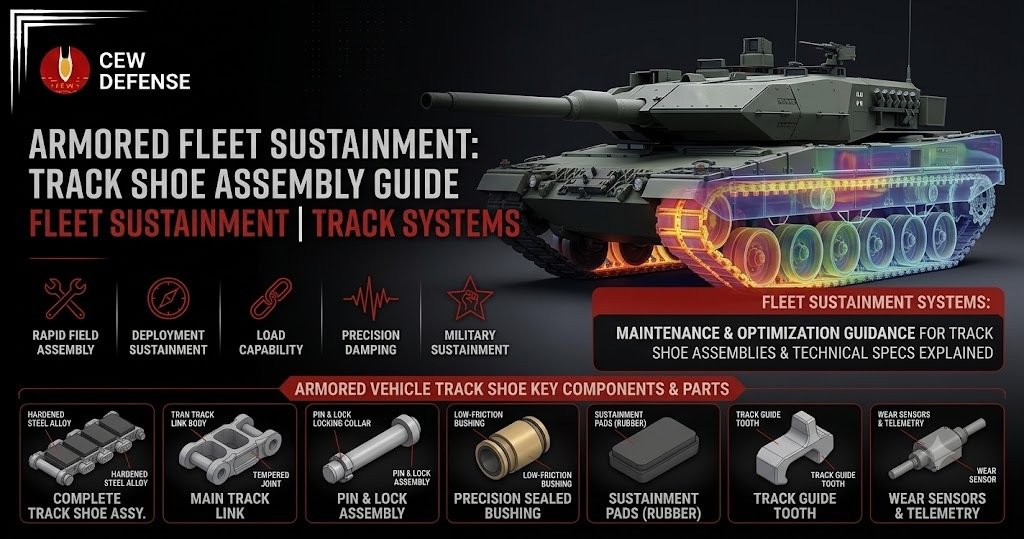
Military forces require reliable vehicles to maintain tactical advantages during complex operations across diverse terrain. Armored Fleet Sustainment ensures that combat platforms remain fully operational throughout their entire service lifecycle. Modern maintenance facilities follow ISO 9001:2015 standards to guarantee strict quality control during complex repairs. The production environment is also TÜV Austria-certified to verify compliance with international industrial safety regulations. Commanders depend on these rigorous maintenance protocols to deploy fully functional equipment during sudden emergencies. Neglecting routine servicing schedules drastically increases the risk of catastrophic mechanical failures in active combat zones.
Understanding Fleet Sustainment Strategies
Military planners define sustainment as the continuous process of preserving vehicle combat effectiveness globally. Fleet managers establish strict readiness targets to ensure sufficient vehicles are available for immediate deployment. Achieving these ambitious targets requires meticulous planning and consistent execution of daily maintenance inspection routines. Commanders review readiness reports weekly to identify mechanical bottlenecks that could delay critical troop movements. Proactive management significantly reduces long-term ownership costs for national defense procurement budgets. Armored Fleet Sustainment remains the primary focus for logisticians managing heavy mechanized divisions today.
- Lifecycle Management Phases
Vehicles progress through distinct phases from initial factory delivery to eventual decommissioning and scrap recycling. Mid-life upgrade programs extend the operational viability of aging platforms without requiring complete fleet replacement. Logistics officers track total engine hours to predict major overhaul requirements before catastrophic breakdowns occur. Mechanics replace degraded wiring harnesses to prevent dangerous electrical fires inside the crew compartment areas. Detailed records help engineers understand how different operating environments accelerate structural fatigue over time. Final disposal protocols ensure that hazardous materials are removed safely before the hull is melted.
Core Maintenance Operations
- Engine and Powertrain Servicing
Maintenance crews focus heavily on the primary mechanical systems that enable heavy vehicle mobility. Technicians replace degraded fuel filters regularly to prevent dangerous engine stalling during high-intensity maneuvers. Transmission fluid analysis reveals internal gear wear before the entire powertrain requires an expensive complete replacement. Cooling system flushes remove accumulated scale deposits that restrict airflow and cause severe overheating issues. Mechanics calibrate electronic fuel injection modules to restore optimal combustion efficiency and reduce exhaust emissions. Routine valve adjustments maintain proper cylinder compression ratios, which allow for available torque at low speeds.
- Undercarriage and Track Systems
Track tension adjustments prevent sudden derailments when heavy tanks traverse steep, rocky inclines. Read our detailed guide on track shoe assembly manufacturing to understand undercarriage production. Crews grease pivot bearings daily to minimize friction and extend the service life of links. Replacing worn drive sprockets prevents uneven track wear and maintains smooth power transfer to the ground. Proper alignment of idler wheels ensures that the heavy steel belts track straight during turns. Inspectors measure track pad thickness to determine when the rubber elements require complete replacement.
- Armor and Hull Inspections
Welders repair microfractures in the steel hull to maintain structural integrity against ballistic impacts. Inspectors measure armor thickness periodically to ensure the vehicle retains its original protective ballistic rating. Damaged composite panels require immediate replacement to preserve the crew cabin against shaped charge threats. Anti-spall liners inside the cabin prevent dangerous metal fragments from injuring personnel during external explosions. Non-destructive testing methods verify the integrity of critical weld joints without damaging the protective paint. Ballistic glass replacements restore clear visibility for the driver while maintaining protection against small arms.
Advanced Diagnostic Technologies
- Predictive Maintenance Technologies
Modern militaries utilize advanced sensors to predict mechanical failures before they disable critical combat vehicles. Vibration monitors attached to the engine block detect abnormal harmonic frequencies indicating bearing degradation. Thermal cameras scan electrical panels continuously to identify loose connections that generate dangerous excess heat. Telemetry systems transmit real-time performance data to central command centers for remote diagnostic analysis. Algorithms process this massive sensor data to generate automated maintenance alerts for ground support crews. Oil debris sensors trigger immediate warnings when metallic particles exceed safe thresholds in the lubricant.
Logistics and Supply Chain
- Supply Chain Logistics for Spare Parts
Armored Fleet Sustainment relies heavily on robust logistics networks to deliver critical spare parts promptly. Depots maintain strategic reserves of high-failure-rate components to prevent extended vehicle downtime periods. Planners calculate optimal buffer quantities based on historical consumption rates and projected operational deployment tempos. Automated inventory systems trigger purchase orders automatically when stock levels drop below predetermined minimum thresholds. Secure warehouses protect sensitive electronic spare parts from humidity damage and electrostatic discharge events. Dedicated freight forwarders manage complex routing plans to avoid contested airspace during active combat operations.
- Obsolete Part Reverse Engineering
Legacy vehicles often require replacement components that original manufacturers discontinued producing several decades ago globally. Engineers scan broken original parts using lasers to generate precise three-dimensional computer-aided design models. Machine shops use these digital models to mill exact replicas from modern high-strength alloys. Reverse engineering programs keep aging artillery platforms fully operational without waiting for new tooling development. Metallurgists verify the chemical composition of replicated parts to ensure they match original strength specifications. Additive manufacturing techniques now allow depots to print complex plastic brackets locally on demand.
Training and Modernization
- Training and Personnel Requirements
Skilled personnel remain the most critical asset for executing complex repairs on modern combat platforms. Technicians must pass rigorous practical exams to earn authorization for repairing high-voltage hybrid drivetrains. Continuous education programs ensure mechanics understand the latest software updates for digital engine control units. Master instructors evaluate apprentice performance regularly to maintain strict quality standards across all repair bays. Certified welders undergo annual recertification to verify their ability to join thick ballistic armor plates properly. Virtual reality simulators allow trainees to practice dangerous procedures without risking damage to live equipment.
- Upgrades and Modernization Programs
Armored Fleet Sustainment includes integrating modern technologies to enhance the survivability of older vehicle platforms. Upgraded thermal sights allow gunners to identify hidden targets through dense smoke and heavy fog. New laser warning receivers alert the crew instantly when enemy rangefinders paint their vehicle hull. Digital intercom systems provide crystal-clear audio communication between crew members over loud engine noise. Integrated navigation displays show real-time friendly unit positions to prevent dangerous blue-on-blue incidents. Improved auxiliary power units supply electricity to onboard sensors without running the massive main engine.
Vehicle Protection Systems
- Active Protection Systems
Radar arrays scan the surrounding environment continuously to detect incoming anti-tank guided missiles accurately. Interceptor launchers deploy countermeasures automatically to destroy threatening projectiles meters away from the main vehicle hull. Software updates refine the tracking algorithms to improve response times against newer high-velocity threats. Blast shields protect nearby dismounted infantry from the dangerous backblast generated by active interception events. Regular calibration ensures the sensors remain aligned properly despite the heavy vibrations of off-road driving. Electronic warfare suites jam incoming radio frequency signals to prevent remote detonation of roadside bombs.
Facility Standards and Budgeting
- Maintenance Interval Standards
Commanders enforce strict schedules to ensure every vehicle meets minimum deployment readiness requirements consistently. Deviating from approved maintenance intervals voids manufacturer warranties and increases the probability of sudden failures. Logistics officers audit maintenance logs monthly to verify full compliance with established military service regulations. The following table outlines the standard service intervals for critical armored vehicle subsystems and components. These established benchmarks provide a universal language for maintenance crews operating across different international military bases. Adhering to these schedules guarantees that mechanized units remain prepared for immediate global deployment orders.
- Environmental and Storage Considerations
Proper storage and environmental controls prevent expensive combat vehicles from degrading during long peacetime periods. Mechanics fog engine cylinders with preservative oil to prevent internal rust during extended storage periods. Desiccant plugs installed in gearboxes absorb ambient moisture that causes severe internal corrosion and pitting. Vehicles stored outdoors require breathable waterproof covers to prevent trapped condensation from rotting electrical wiring harnesses. Crews rotate the tracks periodically to prevent flat spots from forming on the heavy rubber pads. Cathodic protection systems monitor the electrical potential of buried fuel tanks to prevent underground leaks.
- Budgeting and Resource Allocation
Armored Fleet Sustainment requires massive financial investments to maintain large fleets of heavy combat vehicles. Economists compare the total cost of rebuilding old engines versus purchasing brand-new replacement units. Data models calculate the exact financial impact of vehicle downtime on overall military operational readiness levels. Planners use these financial projections to justify budget requests to national legislative appropriations committees effectively. Accurate forecasting prevents sudden funding shortfalls that could halt critical maintenance operations during fiscal year-ends. Multi-year funding contracts provide suppliers with the financial stability needed to invest in specialized tooling.
- Outsourcing vs In-House Repairs
Military depots handle major structural overhauls that require massive overhead cranes and specialized heavy machinery. Contractors perform routine component rebuilding to free up uniformed personnel for forward-deployed combat missions. Performance-based logistics contracts tie vendor payments directly to the achieved operational readiness rates of fleets. Strict security clearances ensure that civilian contractors protect classified vehicle specifications during external repair operations. Hybrid maintenance models combine military expertise with civilian industrial capacity to maximize overall repair throughput. Penalty clauses ensure that vendors face financial consequences if they fail to meet critical delivery deadlines.
CEW Defense Sustainment Capabilities
- Precision Component Manufacturing
Armored Fleet Sustainment relies on specialized industrial partners to manufacture durable components for military vehicles. CEW Defense provides critical manufacturing support to sustain heavy vehicle fleets operating in harsh environments worldwide. Advanced multi-axis machining centers mill complex suspension parts to exacting military dimensional tolerance specifications. Heat treatment furnaces harden steel surfaces to resist extreme abrasion during rough cross-country maneuvers. Coordinate measuring machines verify the physical geometry of every finished part before final packaging occurs. Strict material traceability systems link each component back to its original metallurgical certification and analysis.
- Fleet Overhaul Services
Technicians completely disassemble vehicles to inspect every hidden internal surface for fatigue cracks and corrosion. Blast cabinets strip old paint and rust down to bare metal before applying fresh primer coats. Master mechanics rebuild transmissions using upgraded friction materials to handle the increased torque of modern engines. Final test drivers evaluate vehicle performance on obstacle courses to verify that all systems function perfectly. Detailed documentation accompanies every overhauled vehicle to provide the new crew with complete maintenance history. Modular designs allow future upgrades to be installed quickly without requiring extensive structural modifications again.
Future Industry Directions
- Future Trends in Fleet Sustainment
Armored Fleet Sustainment will continue evolving as new technologies transform military maintenance and logistics operations. Small flying drones equipped with thermal cameras inspect tall vehicle masts without requiring dangerous human climbing. Ground robots crawl underneath parked tanks to photograph hidden suspension components for remote engineering analysis. Automated image recognition software flags potential fluid leaks by analyzing the photographs captured by these drones. These autonomous systems drastically reduce the time required to conduct daily pre-flight vehicle inspections. Blockchain technology secures the digital supply chain against cyberattacks targeting critical logistics databases.
Conclusion
Armored Fleet Sustainment remains the fundamental backbone that allows modern militaries to project power globally. Continuous investment in maintenance infrastructure ensures that combat vehicles survive the extreme rigors of warfare. Please visit CEW Defense to explore our comprehensive range of industrial defense manufacturing and repair services. Technological advancements will further streamline maintenance processes and improve the overall readiness of future armored formations. Reliable sustainment programs guarantee that mechanized forces remain prepared to defend national interests at any moment. Future logistics networks will integrate artificial intelligence to predict component failures before they disable vehicles.