
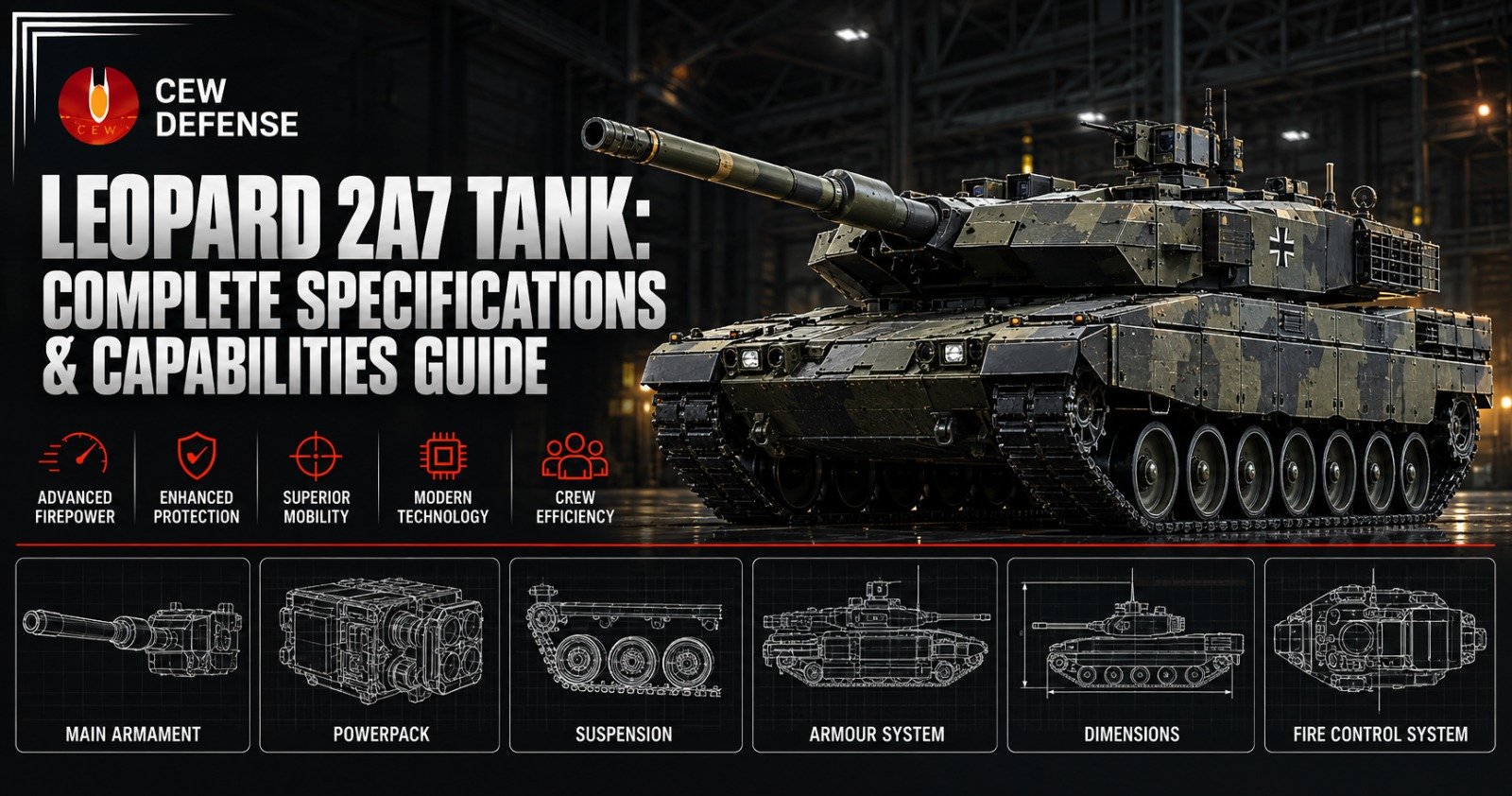
The Leopard 2A7 represents a pinnacle of modern engineering. This tank serves as a crucial asset for many nations. Its design reflects decades of combat experience and innovation. Military analysts often study its robust structural integrity closely. The vehicle combines firepower with advanced protective measures seamlessly. Operators value its reliability in diverse terrain conditions.
Understanding its features helps appreciate modern defense strategies. This guide explores every aspect of this powerful machine. We will examine its history, specs, and future role. Readers gain clear insights into its operational strengths. The information provided remains strictly factual and detailed.
No marketing fluff distracts from the core data. You will learn about its engine, armor, and weapons. Each section breaks down complex technical details simply. This approach ensures clarity for all reader types. Let us begin our journey into heavy armor mechanics.
Historical Evolution and Design Philosophy
The lineage of this tank traces back to Cold War tensions. Engineers sought a successor to the earlier Leopard 1 model. They prioritized mobility alongside heavy frontal protection initially. The original Leopard 2 entered service during the late 1970s. Subsequent variants introduced incremental improvements over several decades.
The Leopard 2A7 emerges as a significant upgrade package. It addresses modern asymmetric warfare threats effectively. Designers focused on urban combat survivability specifically. Older models lacked sufficient side protection against RPGs. This variant integrates modular armor systems extensively.
The turret receives enhanced ballistic shielding materials. Crew safety remains the primary design driver throughout. Past conflicts highlighted vulnerabilities in previous designs. Lessons learned shaped the current configuration profoundly. Future upgrades will likely build on this foundation. The evolution shows a clear trend toward versatility.
-
Origins: Developed from the successful Leopard 2 platform.
-
Focus: Enhanced protection for urban and asymmetric threats.
-
Modularity: Allows easy addition of new armor kits.
-
Survivability: Prioritizes crew life over pure offensive power.
Core Technical Specifications and Performance
Understanding the raw numbers reveals true capability. The heart of the beast is its engine. A massive diesel powerplant drives the tracks forward. This engine delivers exceptional torque for heavy loads. Transmission systems manage power distribution efficiently across gears.
The suspension absorbs rough terrain impacts smoothly. Speed remains competitive despite the increased weight. Fuel efficiency balances range with operational demands. Maintenance intervals extend due to improved components. Mechanics appreciate the accessible layout of parts.
Diagnostic tools simplify troubleshooting processes significantly. The electrical system supports advanced digital networks. Power reserves ensure constant operation of sensors. Cooling systems prevent overheating during intense use. Exhaust signatures are managed to reduce detection. Noise levels are minimized for stealth approaches.
The table above summarizes key performance metrics clearly. These figures define the tank's operational envelope. Drivers must master these limits for success. Commanders plan routes based on fuel consumption rates. Logistics teams prepare spare parts accordingly. The Humvee specifications offer a contrast in lighter mobility.
While different classes, both serve critical roles. The Leopard dominates heavy engagement zones directly. Its weight provides stability during firing sequences. Ground pressure affects movement in soft soil. Engineers calculate bridge load capacities carefully. Transporting such mass requires specialized rail cars. Air lift options remain limited globally. Thus, strategic deployment relies on local bases.
- Mobility and Terrain Adaptation
Movement defines survival on the battlefield. The track system distributes weight evenly. Rubber pads reduce noise and wear on roads. Steel links provide grip in muddy conditions. Tensioners maintain optimal track tightness automatically. Road wheels endure extreme stress daily.
Shock absorbers protect internal components from jolts. Steering mechanisms allow precise turning circles. Reverse speed matches forward capability for retreats. Water fording kits enable river crossings safely. Snorkels supply air to the engine underwater. Depth sensors alert crews to rising water levels.
Navigation systems integrate GPS with inertial data. Digital maps update in real time constantly. Obstacle detection radars scan ahead proactively. Night vision aids assist drivers in darkness. Thermal cameras identify heat sources remotely. All these systems work in harmony seamlessly.
Armament and Firepower Systems
Firepower determines the outcome of engagements. The main gun remains a smoothbore cannon. It fires kinetic energy penetrators with precision. High-explosive anti-tank rounds defeat fortified positions. Coaxial machine guns suppress infantry threats nearby. Remote weapon stations enhance commander situational awareness. Gun stabilization allows firing while moving rapidly.
Laser rangefinders measure distance instantly and accurately. Ballistic computers calculate lead and windage automatically. Ammunition storage includes blast-proof compartments. Blow-out panels direct explosions away from crew. Reloading mechanisms assist human loaders efficiently. Rate of fire depends on crew training levels. Secondary weapons include smoke grenade launchers.
These create visual screens for tactical withdrawal. Obscurants confuse enemy targeting systems temporarily. The fire control system updates continuously. Target tracking locks onto moving objects steadily. Engagement ranges extend beyond visual limits often. Precision strikes minimize collateral damage significantly.
-
Main Gun: 120mm smoothbore cannon for versatility.
-
Ammo Types: APFSDS and HEAT rounds available.
-
Stabilization: Ensures accuracy on the move.
-
Protection: Blast-proof ammo bins save lives.
- Advanced Sensor Integration
Sensors act as the eyes and ears. Thermal imaging sees through smoke and fog. Day cameras provide high-resolution visual feeds. Laser warning receivers detect incoming threats instantly. Acoustic sensors pinpoint sniper locations accurately. Radar systems track aerial drones overhead.
Data links share information with other units. Network-centric warfare enhances collective security. Jamming resistance protects communication channels firmly. Encryption keeps transmitted data secure always. User interfaces display data intuitively for crews. Touchscreens allow quick selection of modes.
Voice commands reduce manual input errors. Augmented reality overlays highlight targets clearly. Friend-or-foe identification prevents friendly fire incidents. System diagnostics run self-checks automatically. Fault alerts guide maintenance actions promptly. Redundant systems ensure continuity during failures. Backup power sources keep critical apps running.
Protection and Survivability Features
Armor technology evolves constantly to counter threats. Composite materials blend steel, ceramics, and plastics. Layered structures dissipate kinetic energy effectively. Reactive armor tiles explode outward upon impact. This disrupts shaped charge jets from missiles. Slats protect rear engines from rocket attacks.
Mine plows clear paths through dangerous fields. Active protection systems intercept incoming projectiles. Radars detect threats milliseconds before impact. Countermeasures deploy automatically to neutralize risks. Soft kill systems jam guidance signals electronically. Hard kill systems physically destroy incoming munitions. Crew seats suspend to absorb blast shocks.
Fire suppression systems extinguish flames instantly. Oxygen generators sustain life if sealed in. NBC filtration cleans air from contaminants. Escape hatches provide emergency exit routes. Medical kits treat injuries within the hull. Communication with medevac teams remains a priority. Structural integrity withstands multiple hits, possibly.
- Modern Protection and Battlefield Integration
The Leopard 2A7 incorporates these latest protective trends. Nations upgrading their fleets choose this path. It balances cost with enhanced survival rates. Soldiers trust their equipment implicitly in combat. Confidence stems from proven defensive capabilities. Training simulations prepare crews for worst-case scenarios.
Realistic drills build muscle memory quickly. Stress inoculation helps maintain calm under fire. Leadership decisions rely on accurate intel feeds. The tank serves as a mobile command post sometimes. Coordination with infantry units proves vital. Combined arms tactics maximize overall effectiveness.
Air support complements ground operations tightly. Artillery provides indirect fire coverage broadly. Electronic warfare assets disrupt enemy networks deeply. All elements contribute to mission success collectively.
- Modular Upgrade Potential
Flexibility defines modern military hardware longevity. Users can swap armor modules easily. New sensors plug into existing ports seamlessly. Software updates improve performance without hardware changes. Cybersecurity patches fix vulnerabilities remotely, often. Weapon mounts accept various calibers conveniently.
Communication radios upgrade to newer standards readily. Power supplies accommodate future energy demands. Cooling systems handle increased heat loads. Structural reinforcements support heavier turrets if needed. Track widths adjust for different terrains optionally. Camouflage patterns change with seasonal needs. Decoy systems deploy to confuse enemies tactically.
Drone integration allows aerial reconnaissance locally. Unmanned ground vehicles scout ahead safely. Artificial intelligence assists target recognition soon. Machine learning algorithms predict maintenance needs. Data analytics optimize fuel usage patterns. Cloud connectivity enables remote diagnostics globally.
Strategic Role in Modern Conflicts
This tank fits into broader defense doctrines. It deters aggression through visible strength and presence. Peacekeeping missions benefit from its imposing stature. Humanitarian aid convoys gain secure escorts reliably. Disaster response teams use it for heavy lifting. Flood barriers require massive earthmoving capabilities urgently.
Debris clearance opens blocked roads quickly. Bridge-laying variants span gaps efficiently. Engineering tasks utilize the chassis versatility fully. Combat roles involve breakthrough operations primarily. Flanking maneuvers exploit enemy weaknesses strategically. Defensive holds anchor frontline positions firmly. Counter-attacks restore lost territory aggressively.
Urban fighting demands careful rules of engagement. Civilian protection remains a top priority always. Precision firepower reduces unintended casualties significantly. Psychological impact demoralizes opposing forces often. The sight of heavy armor shifts momentum. Allies feel reassured by such support visibly. Adversaries think twice before escalating violence. Diplomacy gains leverage from military readiness.
- Future Warfare and Military Cooperation
Future battlefields will see increased drone usage. Counter-drone technologies become essential components now. Electronic spectrum dominance matters more than ever. Cyber defenses protect digital infrastructure critically. Supply chain security ensures parts availability consistently. Training pipelines produce skilled operators steadily. International cooperation shares best practices openly.
Joint exercises improve interoperability among allies. Standardized procedures reduce confusion during coalitions. Language barriers break down through common protocols. Cultural sensitivity enhances local population relations. Ethical considerations guide weapon usage decisions.
Legal frameworks regulate autonomous functions strictly. Human oversight remains mandatory for lethal actions. Accountability mechanisms track every decision made. Transparency builds public trust in institutions. Democratic values influence military conduct profoundly. Rule of law applies even in war zones. Justice systems prosecute violations rigorously when needed.
Manufacturing Excellence Behind Modern Armor Systems
Behind every elite platform like the Leopard 2A7 lies a foundation of precision manufacturing. Components such as tank undercarriage systems and track shoe assemblies undergo rigorous testing to endure extreme stress, abrasion, and environmental exposure. High-grade steel alloys, advanced heat treatments, and exacting tolerances ensure these parts deliver reliability under fire.
Modern track systems balance durability with reduced ground pressure, enhancing mobility while minimizing wear. Similarly, suspension components are engineered to absorb shock without compromising stability during firing. This attention to mechanical detail is what separates battlefield winners from vulnerable targets. Companies investing in such technologies contribute directly to national defense readiness and global security architecture.
Final Thought
The Leopard 2A7 stands as a testament to engineering excellence. It blends heritage with cutting-edge innovation seamlessly. Its design prioritizes crew survival above all else. Modular upgrades ensure relevance for decades coming. Operators benefit from intuitive controls and robust systems. Maintenance crews appreciate accessible components and diagnostics.
Strategic planners value its versatility in diverse roles. From high-intensity combat to humanitarian aid, it performs. The integration of active protection sets new standards. Sensors provide unparalleled situational awareness in chaos. Firepower remains precise and devastating when required. Mobility allows rapid response to emerging threats. Nations investing in this platform secure their borders. It serves as a deterrent against potential aggressors.
The balance of offense and defense is optimal. Future iterations will likely enhance digital connectivity further. Artificial intelligence may assist in decision-making loops. However, human judgment remains central to operations. This tank embodies the spirit of modern defense. It protects those who serve with distinction. Understanding its capabilities fosters respect for its power. Knowledge empowers informed discussions about global security. We continue to monitor developments in armored warfare.