
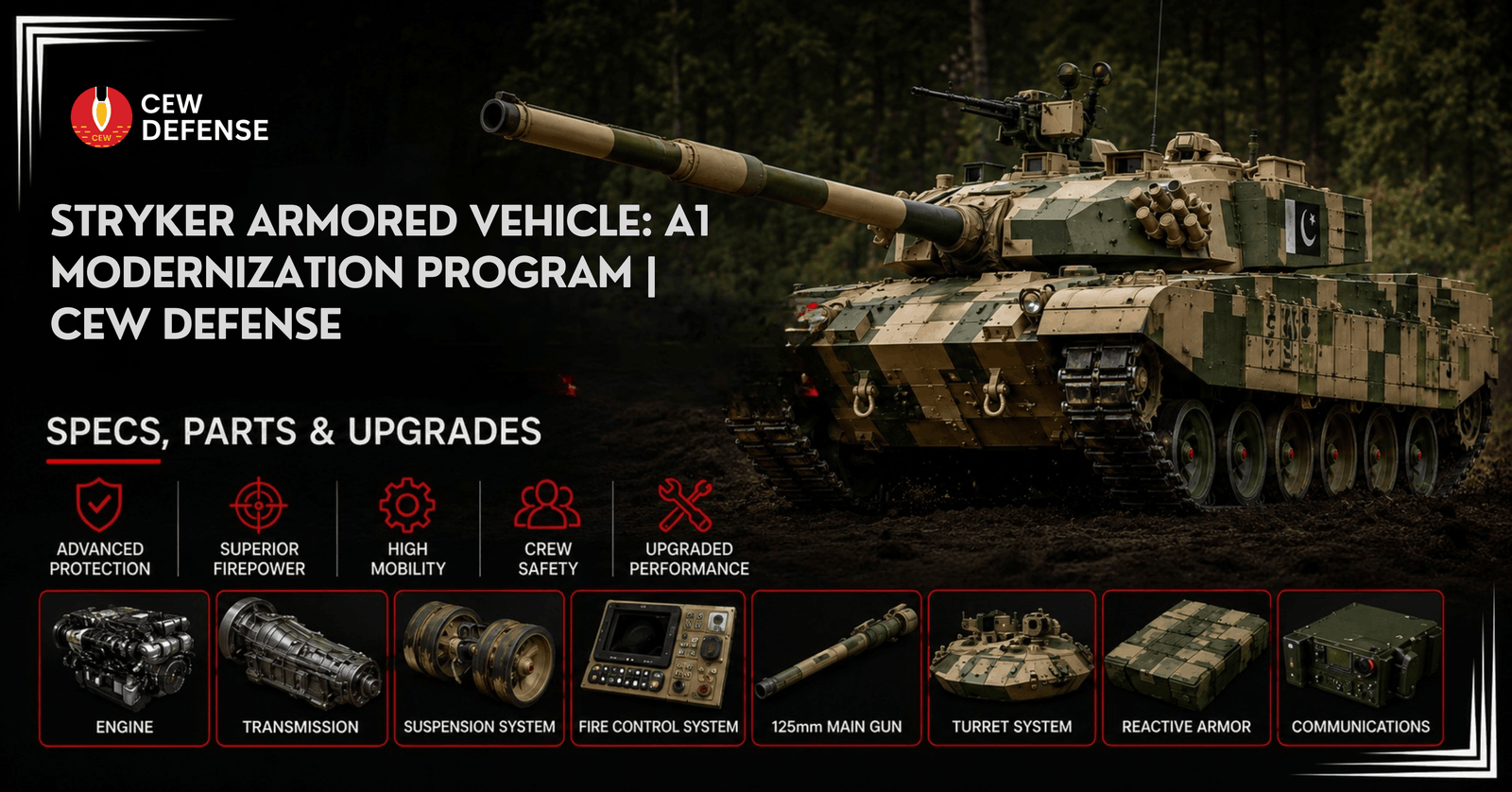
The Stryker armored vehicle represents a major leap in modern mechanized infantry mobility today. Modern battlefields demand highly versatile platforms that can deploy troops rapidly and safely everywhere. This specific wheeled platform bridges the critical gap between light trucks and heavy main tanks. Defense organizations globally study its continuous development to understand modern combat tactics and strategies. This comprehensive article explores the design, history, and technical specifications of this unique platform.
What Is the Stryker Armored Vehicle?
The Stryker armored vehicle serves as the primary combat system for the United States Army. It effectively bridges the operational gap between light reconnaissance vehicles and heavy main battle tanks. Commanders utilize this system to transport infantry squads safely across hostile and contested terrain daily. It provides immediate, heavy fire support while protecting vulnerable personnel from small arms fire.
- Purpose and Role
Armies deploy this vehicle to transport infantry squads safely across hostile, contested terrain daily. Commanders utilize their potent armament to suppress enemy positions and destroy light armored vehicles. Furthermore, it protects vulnerable infantry from artillery shrapnel and chemical, biological, radiological, and nuclear threats.
- Key Features
This platform features a remote weapon station housing a heavy machine gun or automatic grenade launcher. Engineers designed its steel and ceramic composite armor to withstand heavy machine gun fire effectively. A powerful, reliable diesel engine ensures rapid battlefield mobility during high-tempo combat operations.
Design and Engineering
The operational effectiveness of any modern armored platform relies on a carefully balanced triad. Firepower, protection, and mobility must work together seamlessly to ensure mission success globally.
- Armor Protection
The hull utilizes a welded steel structure, which provides a high strength-to-weight ratio. This configuration is designed to defeat kinetic energy penetrators and shaped explosive charges reliably. Advanced modular armor kits allow crews to adjust protection levels based on specific threats.
- Armament
The primary weapon is often a remote weapon station firing hundreds of rounds per minute. This is complemented by crew-served weapons, allowing engagement of enemy targets at extended ranges. A coaxial machine gun provides additional, rapid defense against close-range infantry threats effectively.
- Mobility
Powered by a robust diesel engine, the vehicle achieves a top road speed of sixty miles per hour. The independent suspension system absorbs heavy shocks during fast movement over rough cross-country terrain. This ensures the crew can maintain firing accuracy and operational endurance during prolonged missions.
Development and Evolution
The lineage of this platform reflects decades of continuous adaptation to emerging global threats. Engineers have continuously upgraded the system to counter evolving battlefield threats and operational requirements.
- Development History
The United States Army initiated the Interim Armored Vehicle program in the late nineteen nineties. General Dynamics Land Systems developed the initial prototypes, leading to formal adoption in two thousand. It was named after two Medal of Honor recipients, Stuart Stryker and Robert Stryker.
- Modern Upgrades
The double hull upgrade significantly improves protection against improvised explosive devices and landmines. Modern variants also feature enhanced digital communication systems and improved situational awareness tools for crews. These constant modernization efforts keep the platform highly relevant in contemporary near-peer combat environments.
- Production Overview
Manufacturing such specialized, high-performance variants requires rigorous quality standards and precision engineering daily. Partnering with CEW Defense ensures your military casting and component requirements meet the highest international standards. Thousands of these vehicles have been produced to equip multiple brigade combat teams globally.
Stryker Vehicle Variants
The manufacturer produced several distinct variants to meet the evolving, specialized requirements of different military branches.
- Infantry Carrier Vehicle
The Infantry Carrier Vehicle is the standard variant, designed primarily to transport a nine-man infantry squad. It prioritizes troop capacity and dismount support while maintaining robust firepower for combined arms operations.
- Mobile Gun System
The Mobile Gun System variant features a low-profile turret equipped with a powerful millimeter cannon. This provides direct fire support to infantry units engaging fortified
enemy positions and light armor.
- Specialized Variants
Specialized versions include the medical evacuation vehicle, mortar carrier, and engineer reconnaissance variants. Each variant leverages the core chassis to fulfill niche tactical requirements on the modern battlefield.
Technical Specifications
This section details the core technical specifications that define the combat capabilities of this vehicle.
- Crew and Capacity
Three trained crew members operate this complex vehicle during active combat missions worldwide daily. The commander and gunner reside in the turret, while the driver sits securely in the front hull. The rear compartment safely transports up to nine fully equipped infantry soldiers into hostile environments.
- Engine and Performance
The powerful diesel engine drives this armored vehicle forward efficiently while significantly reducing fire hazards. The vehicle can ford water obstacles with minimal preparation and climb steep gradients easily. This ensures operational flexibility in diverse, challenging environments across the global theater of operations.
- Operational Range
The vehicle boasts an impressive operational range of over three hundred miles on a single tank. This extended range allows for prolonged missions without the immediate need for logistical refueling support.
Operational Service
The enduring success of this platform is rooted in its distinct operational advantages globally.
- Military Deployments
The Stryker armored vehicle has seen extensive deployment in Iraq, Afghanistan, and Eastern Europe recently. These deployments demonstrated its ability to project power rapidly across vast and challenging geographical areas.
- Combat Performance
During intense urban combat operations, the platform proved its resilience and overall combat effectiveness repeatedly. It successfully engaged numerous enemy targets and provided crucial, life-saving fire support to dismounted troops.
- Global Operators
While primarily operated by the United States Army, allied nations have also expressed strong interest. International partnerships facilitate technology sharing and joint training exercises to enhance collective defense capabilities.
Stryker Combat Systems
The modern Stryker armored vehicle relies on advanced combat systems for battlefield superiority. These integrated systems provide lethal firepower and exceptional situational awareness. Engineers design these networks to function under extreme combat conditions. Continuous software updates help the platform adapt to emerging threats. Robust hardware supports the data processing requirements of modern warfare.
- Weapon Systems
The primary weapon systems deliver devastating firepower against diverse enemy targets. Remote weapon stations allow gunners to engage threats from protected positions. Crews can mount heavy machine guns, automatic grenade launchers, or larger-caliber cannons. Advanced fire control computers and thermal imaging sights improve targeting accuracy. Armored ammunition storage and rapid reload mechanisms keep weapons operational during intense engagements.
- Surveillance Systems
Advanced surveillance systems give crews complete situational awareness. External cameras provide a three-hundred-and-sixty-degree view around the vehicle. Sophisticated radar, acoustic detectors, and laser warning receivers help identify enemy threats quickly. These systems create a comprehensive tactical picture and allow operators to share real-time data with friendly units.
- Communication Systems
Secure communication systems connect the vehicle with higher headquarters and allied forces. Encrypted radios and digital data networks enable reliable voice and data sharing. The platform integrates into broader military networks and maintains communication in contested environments. Future upgrades will incorporate artificial intelligence to improve data processing and reduce crew workload.
Future of the Stryker Armored Vehicle
As military modernization continues, the Stryker armored vehicle will remain a critical asset for ground forces. Defense analysts consistently note its unmatched versatility in adapting to new battlefield technologies and threats. Ongoing engineering change proposals focus on upgrading the powertrain and integrating advanced network-centric warfare capabilities. This system represents a proven, adaptable, and lethal platform for decades to come globally. Defense contractors seeking reliable supply chains trust CEW Defense for precision-engineered components necessary to maintain these platforms. The Stryker armored vehicle will continue to define modern mechanized infantry operations for the foreseeable future.